Learn more
Most teams don’t struggle with time. They struggle with visibility. Deadlines overlap, workloads go unseen, and priorities keep shifting. As a result, teams spend more time reacting to work than actually completing it.
Time is one of the few business commodities that can not be compressed or expanded. Only managed. When teams lack detailed knowledge of workload distribution and priorities, even skilled professionals spend more time reacting to work than completing it.
Time management today is no longer just about personal productivity. It’s about how teams coordinate work, allocate capacity, and maintain control across multiple projects.
What does Time Management Mean for Teams?
Time management for
teams is the process of planning, allocating, and coordinating work across people, projects, and
timelines to ensure tasks are completed efficiently without overloading resources.
This blog discusses how organizations can explore time management today, from practical concepts to applicable methods teams use to plan work. It also covers how structured resource management software helps firms coordinate resources and time across multiple initiatives.
In simple terms, time management is the process of deciding how to distribute your time among activities, tasks, and responsibilities. In modern workspaces, time management is not an individual task. Teams coordinate across departments, projects, and clients.
Organizations that practice structured time management often experience clearer task ownership, reduced last-minute stress, greater delivery predictability, and balanced workloads across teams.
Although the terms are similar, they address different aspects of team operations.
| Aspect | Time Management | Work Management |
| Primary Focus | Planning and organizing time | Managing tasks, projects, and deliverables |
| Main Objective | Ensure time is used effectively during the day or week | Ensure projects move forward and goals are achieved |
| Typical Activities | Scheduling tasks, blocking focus time, and planning daily work | Tracking project progress, coordinating teams, and managing deliverables |
| Scope | Usually at the individual or small team level | Often spans multiple teams and departments |
| Example Use Case | A marketing manager schedules two hours to draft campaign content | The same manager tracks campaign milestones, approvals, and launch dates |
Many organizations combine these practices through capacity planning tools that show how much work can be adjusted within the available team hours.
Poor time management surfaces as a productivity issue, but the root problem is usually a lack of planning visibility. Professionals spend a large portion of their time coordinating work, and employees repeatedly organize their day.
Teams experiencing time management problems often report too many meetings, constant deadline pressure, employees juggling multiple priorities, and difficulty focusing on high-value tasks.
Expert Insight:
High-performing teams don’t just manage time. They manage capacity, priorities, and dependencies together.
Time management strategies are the broader approaches organizations adopt to plan work, control schedules, and maintain clear priorities. While individual time management tips focus on day-to-day execution, strategies create the guiding framework behind those decisions.
Managers use strategies to determine which work matters most, how tasks should be distributed, and how teams coordinate and manage resources across multiple projects. In most organizations, several time management strategies for success work together.
Not all tasks contribute equally to success, so teams must identify which activities truly carry the project forward. Task prioritization keeps project goals in focus, improves productivity without overload, and prevents wasted time on low-value tasks.
Planning cycles provide checkpoints at regular intervals where teams review priorities, upcoming deadlines, and project progress. Bringing structure:
Capacity Monitoring ensures the tasks are assigned based on the actual availability, not assumptions. This helps:
Effective delegation means distributing work among team members according to their skills, experience, and current workload. It helps teams:
Maintaining visibility means managers can see how tasks, deadlines, and resources are distributed. Visibility matters because it reduces scheduling conflicts, helps managers identify resource gaps early, and supports better planning across simultaneous initiatives.
Time management strategies lay the foundation for organized work environments. Once the strategies are established, time management techniques and methods can be administered to execute them in day-to-day operations.
Time management methods are designed approaches teams can use to plan their work, allocate resources, and secure focus time. Instead of relying on a single technique, organizations usually combine multiple methods to structure workdays and maintain productivity.
Below are several widely used time management methods that help teams plan work more effectively.
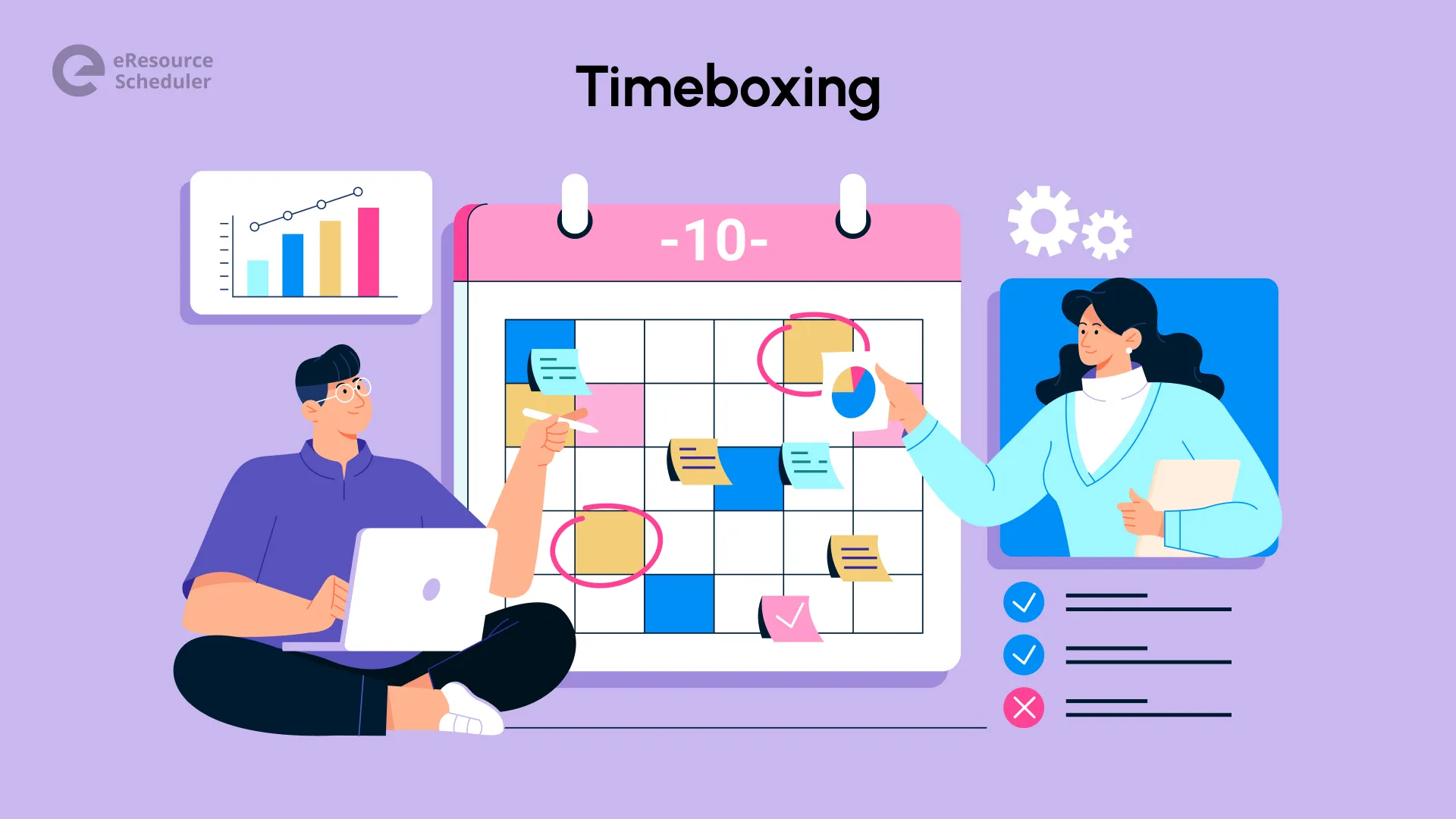
Timeboxing works well for teams where tasks tend to stretch longer than planned.
Instead of waiting for something to feel “done,” work is capped within a fixed time window. This pushes for quicker decisions. But without clear priorities, teams can end up rushing the wrong work.
Agile time management is built for environments where plans rarely stay fixed.
Instead of locking schedules weeks in advance, teams work in shorter cycles, review progress regularly, and adjust as priorities shift. It works well when change is constant, but it can feel chaotic without clear ownership.
The difference shows in application. Teams that check in regularly stay aligned. Teams that don’t end up reacting instead of planning.
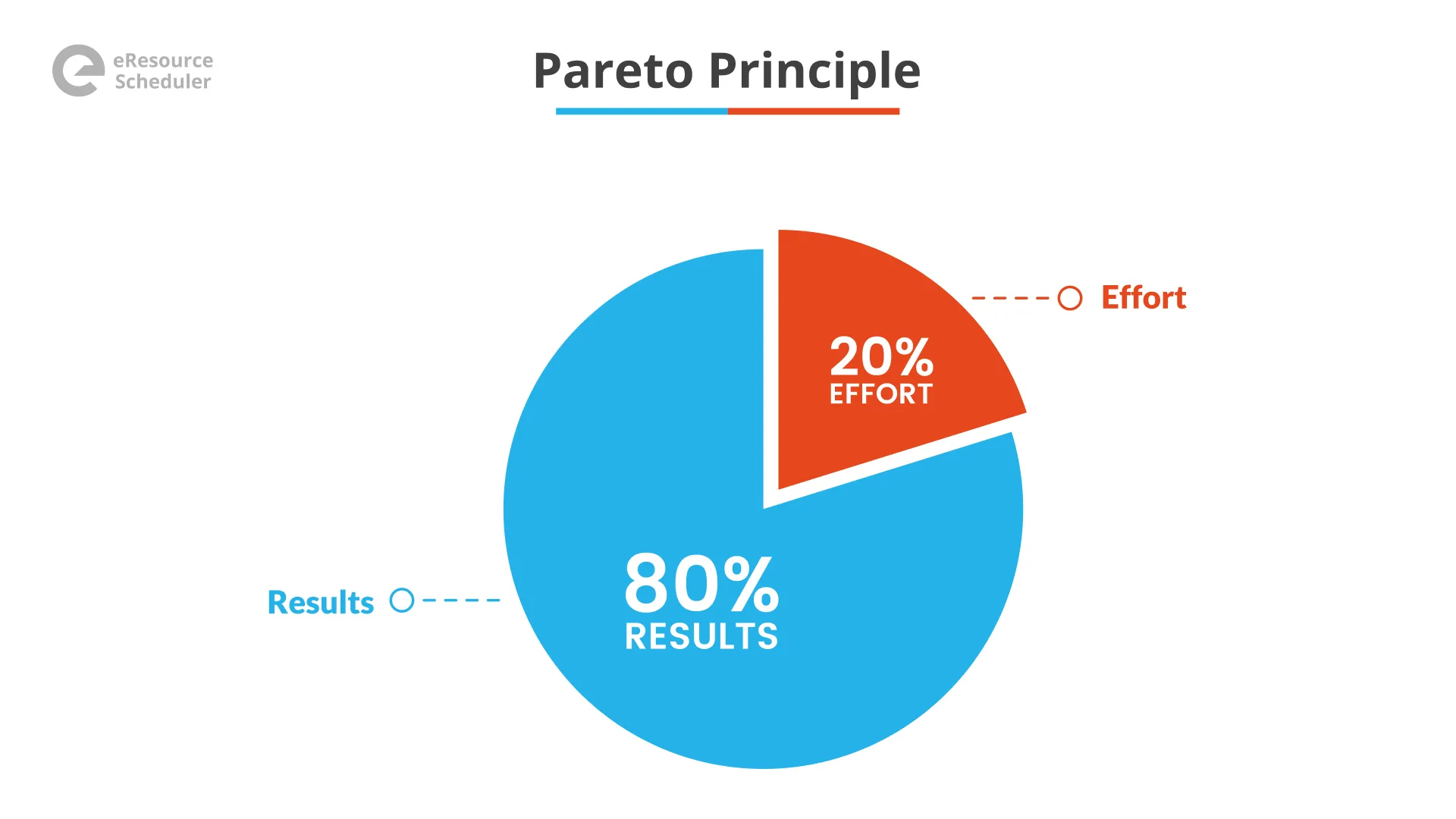
Most teams are busy. Fewer are productive.
The idea behind The Pareto Rule is simple: a small portion of tasks drives most results. The hard part is identifying those tasks consistently. Without that clarity, everything starts to look equally important.
Not every task needs a meeting. And not every update needs an immediate response.
Asynchronous collaboration allows teams to work independently without waiting on real-time communication. This is especially useful for distributed teams working across time zones.
That said, it’s easy to misapply. Without clear documentation and ownership, things slip through the cracks. Done right, it reduces meeting fatigue. Done poorly, it creates confusion.
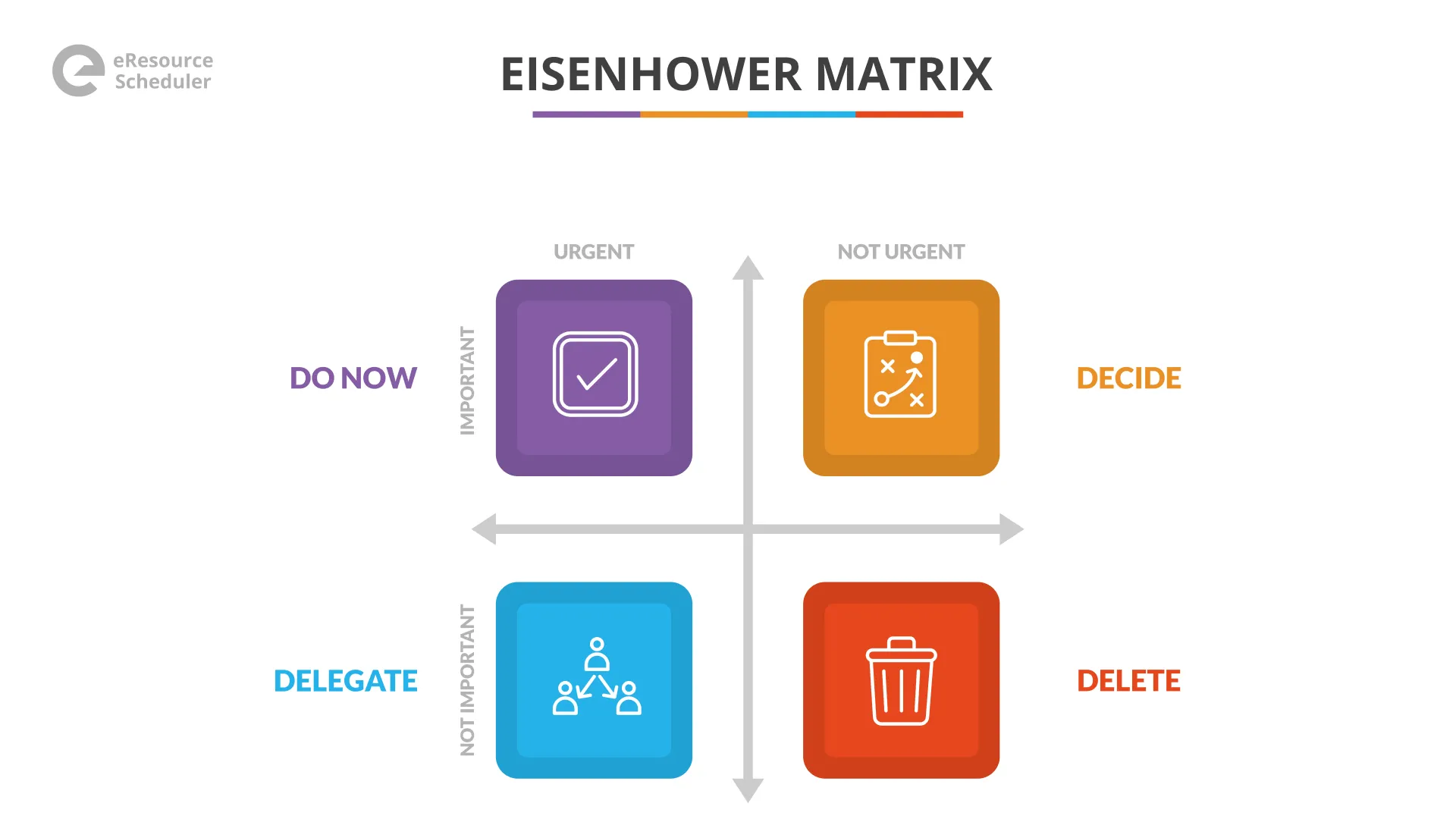
This method forces a pause before action.
Instead of reacting to every task, teams categorize project priorities based on urgency and importance. It sounds straightforward, but in fast-paced environments, “urgent” often takes over everything else.
That’s where discipline matters.
This is where planning either works or breaks.
Instead of assigning work based on deadlines alone, teams look at actual availability before committing. It sounds simple, but many teams skip this step and rely on guesswork.
That’s when problems start. Some team members get overloaded, while others have room to take on more. Capacity-based planning helps correct this early, before timelines start slipping.
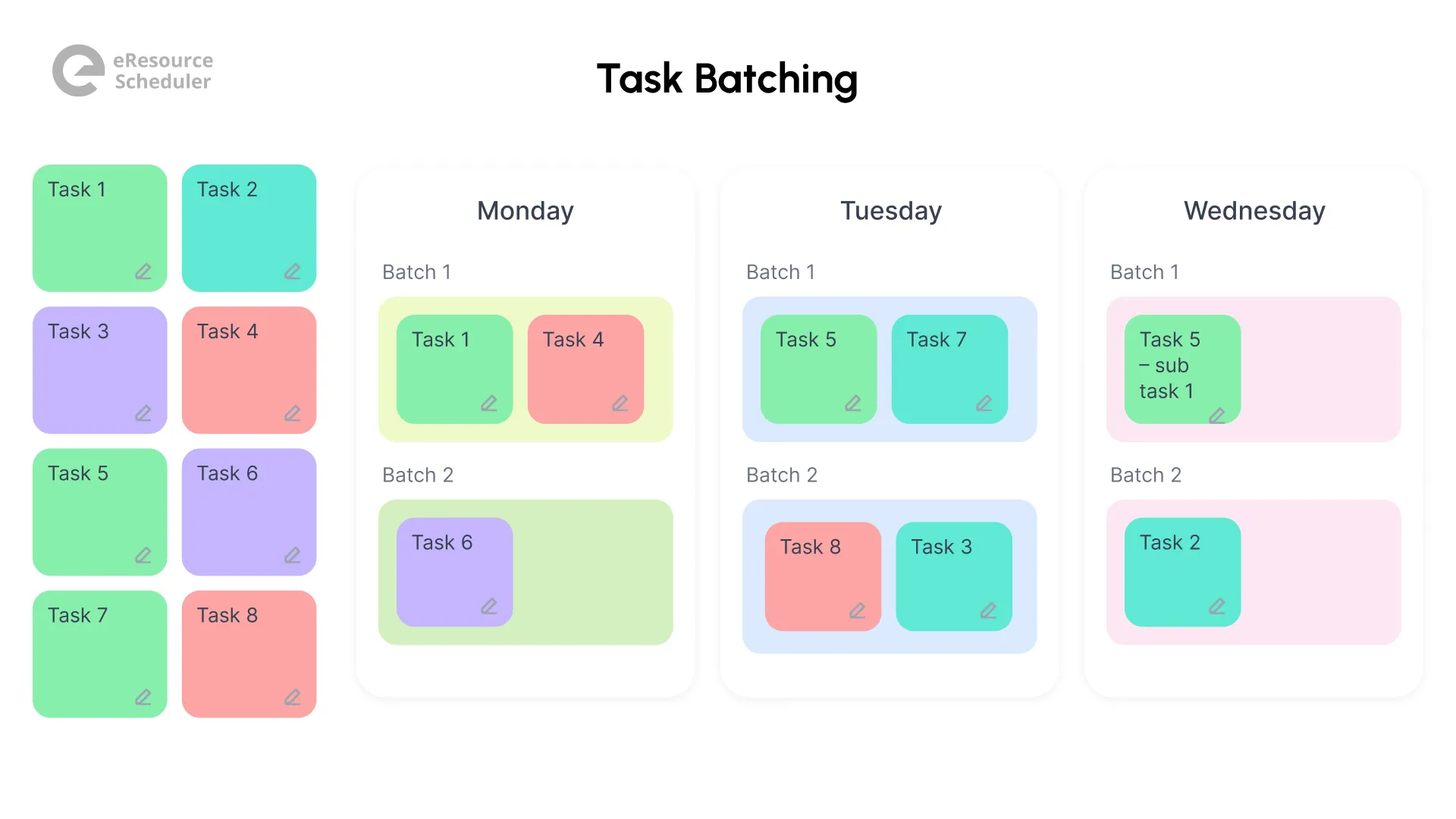
Task batching isn’t about doing more. It’s about switching less.
Emails, approvals, and admin work- grouping them into one block reduces constant context switching. It helps, but only if teams protect those time slots from interruptions.
This is where time management connects directly with execution.
Managers aren’t just planning tasks. They’re deciding who does the work and when. Without clear visibility into availability and existing commitments, this becomes guesswork.
When staffing and scheduling are handled with clarity, teams avoid overload, deadlines become more realistic, and work flows more smoothly across projects.
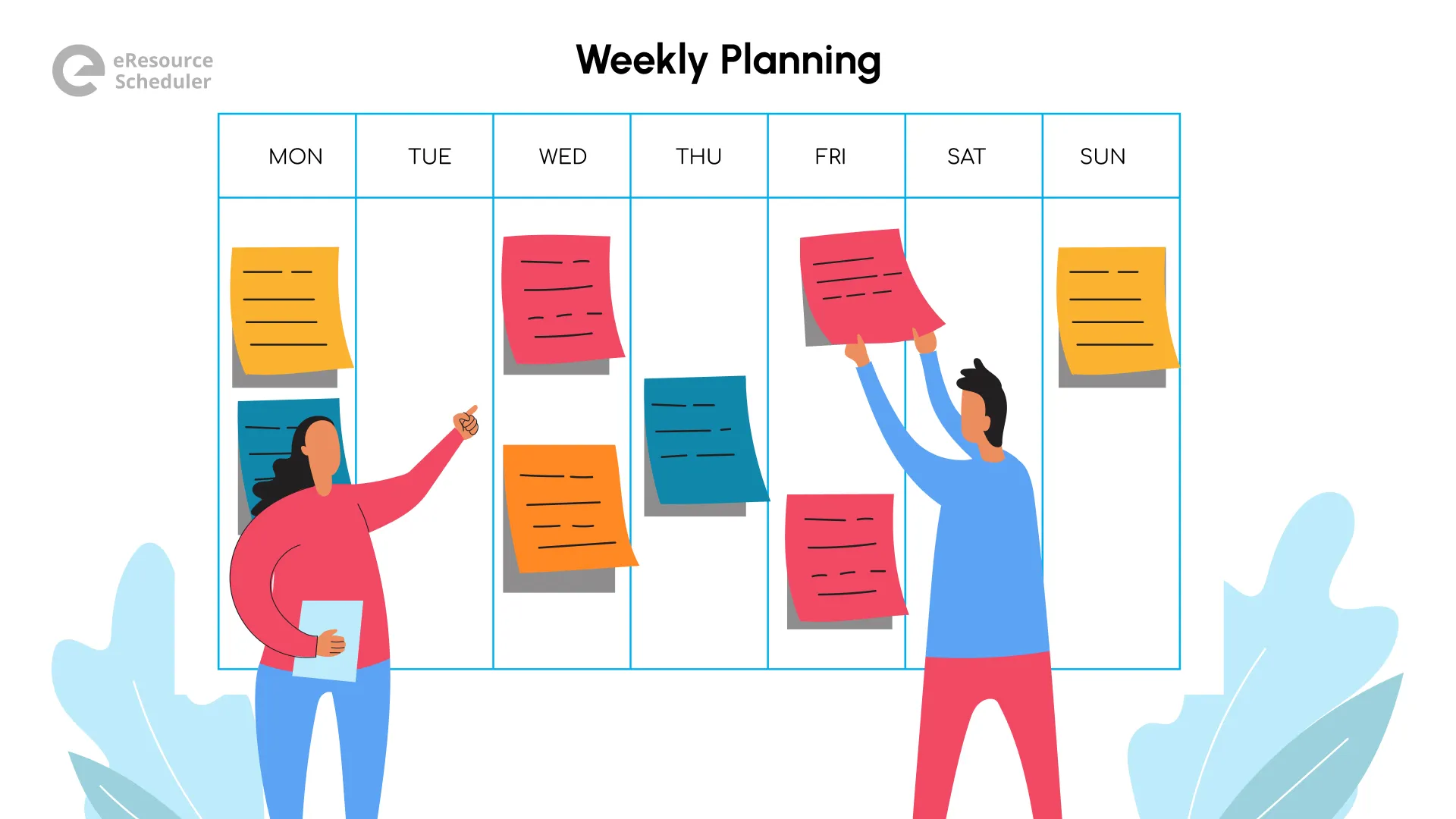
Most teams don’t fail because of poor planning. They fail because planning isn’t consistent.
A weekly cadence creates a rhythm. Teams review what was completed, adjust priorities, and prepare for what’s ahead.
It’s not about long meetings. It’s about staying aligned. Even a short, structured check-in can prevent a week of misaligned work.
Every team member manages time differently.
Some rely on structured to-do lists. Others prefer calendar-based planning or task prioritization frameworks. These systems help individuals stay organized within larger team workflows.
But here’s the reality. Personal systems only work when they align with team-level planning. Otherwise, individual efficiency doesn’t translate into overall progress.
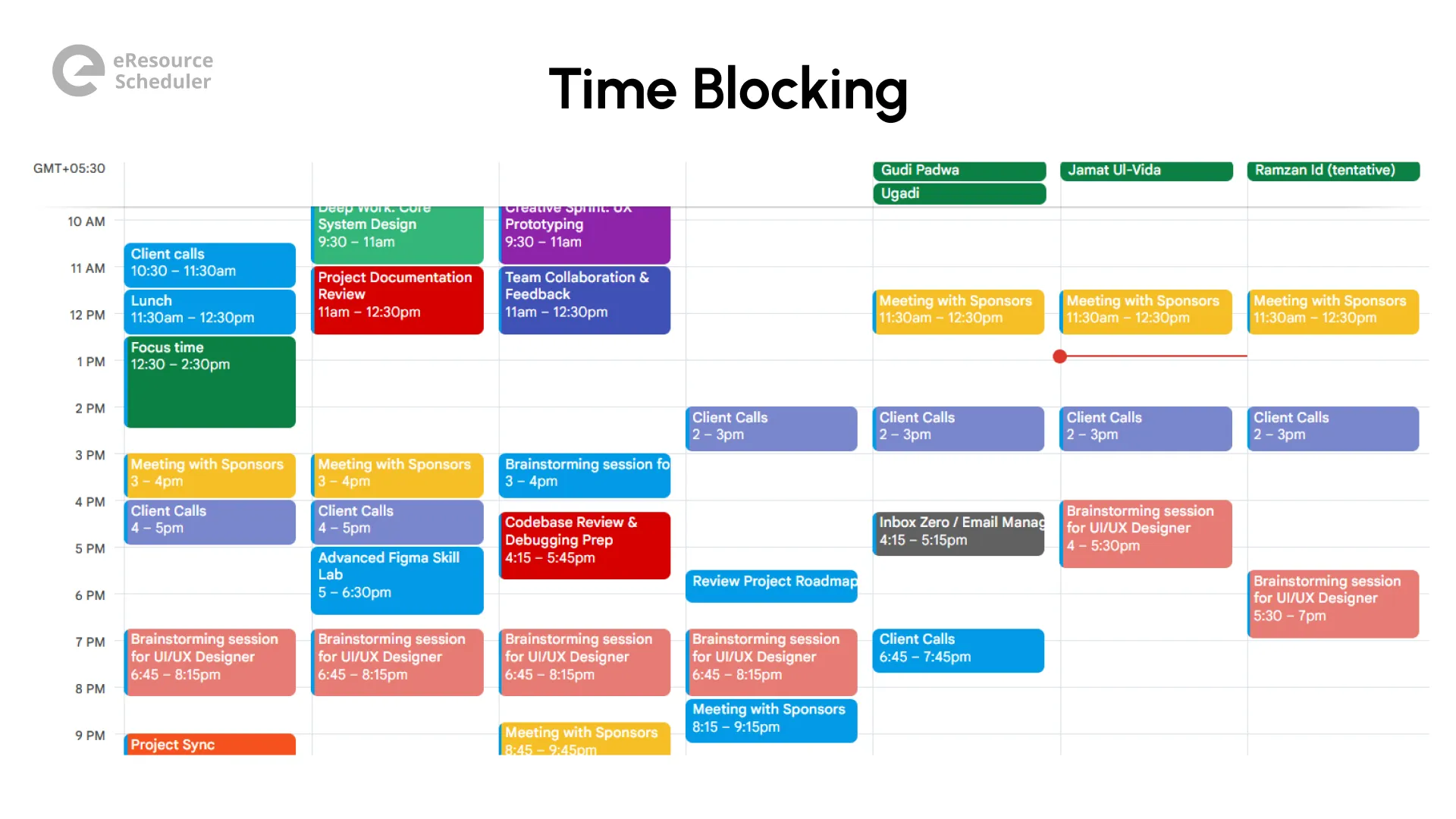
Time blocking is more about structure than speed.
Teams reserve specific parts of the day for certain types of work, meetings, planning, or deep focus. It creates predictability, but only when calendars are visible across the team. Otherwise, overlaps are inevitable.
Calendars fill up quickly. Execution time doesn’t.
Meeting-free blocks are a simple way to protect focus time. No calls, no interruptions, just space to get meaningful work done.
The challenge is sticking to it. Without team-wide discipline, these blocks get overridden by “quick” meetings that rarely stay quick.
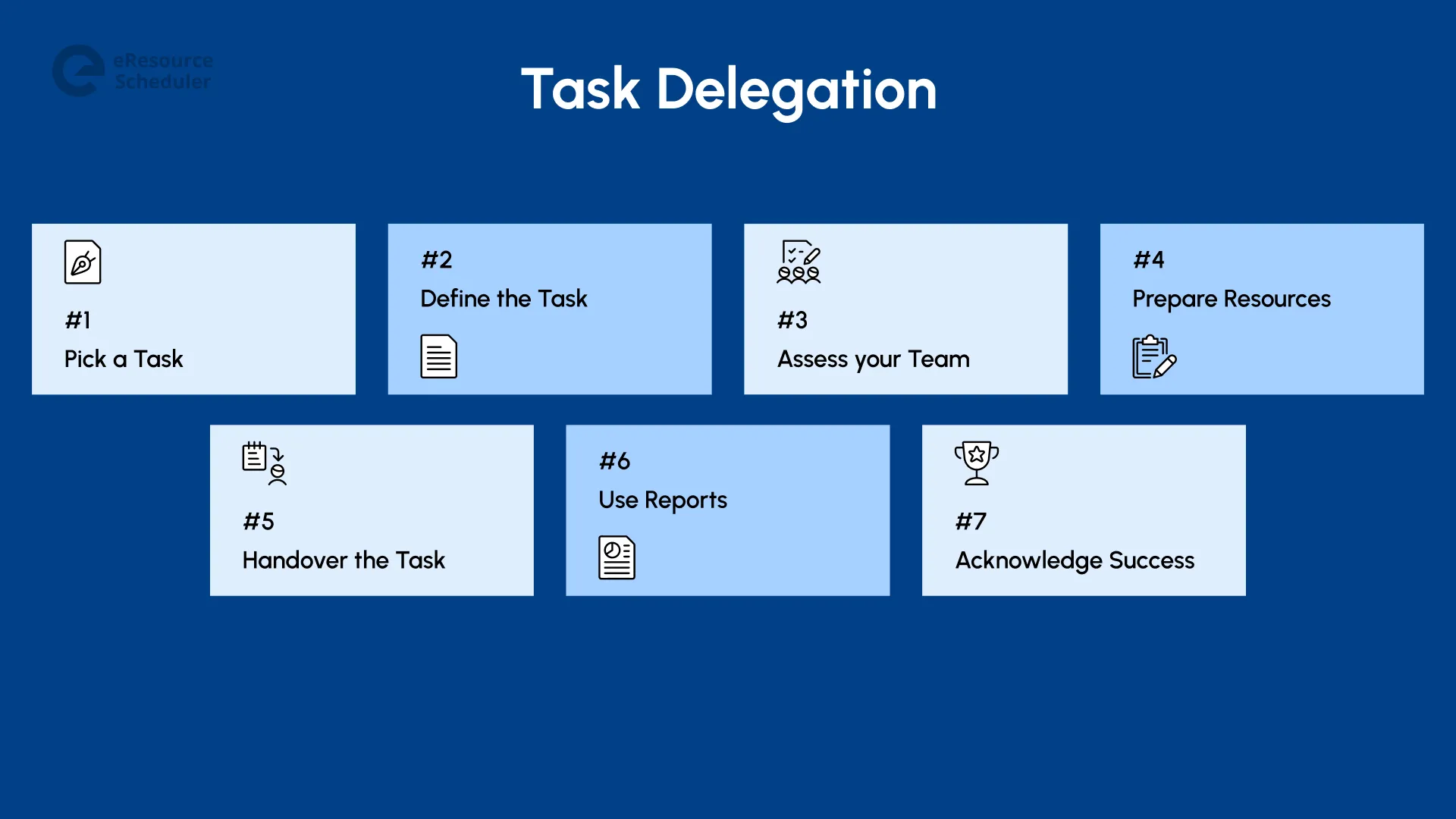
Delegation is often misunderstood.
It’s not about offloading work. It’s about assigning tasks based on skill, availability, and context. Poor delegation creates confusion. Thoughtful delegation reduces bottlenecks.
Some teams plan tasks. Others plan outcomes.
Goal-oriented planning focuses on what needs to be achieved rather than just what needs to be done. It helps teams stay aligned on results, not just activity.

Not all hours in the day are equal, even if calendars treat them that way.
Energy-based scheduling focuses on aligning tasks with when people are most alert and productive. Deep, high-focus work is planned during peak energy periods, while routine or administrative tasks are pushed to lower-energy slots.
Pro Tip:
Most time management methods break down when teams plan in isolation rather than coordinating on shared resources.
Without visibility into who is working on what, even the best techniques become guesswork.
Not every method works equally well for every team. It is not a one-size-fits-all concept. The right approach depends on workload, team structure, and the complexity of projects.
| Team Scenario | Recommended Method | How It Helps |
| Overloaded teams | Capacity-based planning | Balances workloads and prevents burnout by aligning tasks with actual availability |
| Teams handling multiple projects | Timeboxing and time blocking | Improves focus and creates structured schedules across competing priorities |
| Remote or distributed teams | Asynchronous collaboration | Reduces dependency on meetings and supports flexible communication |
| Strategic or high-impact work | The 80–20 rule | Helps prioritize tasks that drive the most meaningful outcomes |
| Fast-changing environments | Agile time management | Supports flexibility and allows quick adjustments to shifting priorities |
Most organizations don’t rely on a single method. Instead, they combine multiple approaches to create a system that aligns with their workflow and operational needs.
Most teams don’t need new methods. They need better execution of the ones they already know. Implementation usually starts with small adjustments rather than big changes.
Before introducing new techniques, project managers need to look at where time is being lost.
In many teams, the issues are visible:
Fixing these gaps creates immediate impact.
One of the biggest mistakes teams make is trying to apply multiple methods at the same time.
It rarely works.
A better approach is to start with one or two methods, test them, and expand gradually. This makes adoption easier and more sustainable.
Time management fails when plans exist only in someone’s head or scattered tools. Without this, even the best methods fall apart under pressure.
Teams need shared visibility into:
Scheduling conflicts often appear when multiple deadlines, meetings, or responsibilities compete for the same time. Managers usually evaluate calendars and project timelines to identify issues such as:
Consistency matters more than precision.
Weekly planning routines, regular check-ins, and simple tracking create structure. Over time, teams refine their approach based on what works.
Once the basic planning structure is in place, teams can begin applying specific methods to support better time control. Some methods include:
Successful time management ultimately depends on visibility.
Clear visibility allows teams to identify potential delays early, track responsibility across multiple projects, and balance workloads before schedules become a figment of imagination.
Estimates improve only when teams track actual work.
When managers compare planned vs actual effort, patterns start to emerge. This leads to better forecasting and more realistic schedules.
Consider a mid-sized US consulting firm managing client projects with shared resources, to understand how these time management methods for consulting firms work together
The firm handles 6-8 active projects, with consultants working across multiple accounts. Deadlines frequently overlap, and workload imbalance is a recurring issue. Here is how different methods come into play:
Project managers allocate fixed time blocks for key deliverables such as the client report and presentation. This helps teams stay focused and prevents tasks from extending beyond planned timelines.
Managers identify which client activities generate the most value, such as strategy, recommendations, or critical deliverables. Less impactful tasks are shifted back in the pipeline or scheduler for later.
Before assigning work, the manager reviews the team's availability and bandwidth to ensure consultants are not overloaded across projects. This prevents burnout and improves delivery readability.
Consultants group similar and repetitive tasks, such as documentation and email responses, into dedicated time slots. This reduces interruptions during high-focus work.
Managers review team schedules across all projects to ensure assignments align with availability and deadlines. This creates a balanced workload across the organization.

This reflects how most organizations exploit multiple methods together rather than relying on a single approach. By combining multiple time management methods for project teams and following them to a Tee:
Although the terms are often used interchangeably, they represent different layers of planning.
| Aspect | Time Management Strategies | Time Management Methods |
| Definition | The overarching approach organizations adopt to organize time and priorities | The specific techniques used to apply those strategies in daily work |
| Purpose | Provide direction for how teams should plan and allocate time | Translate strategic goals into actionable steps |
| Scope | Broad and long-term | Practical and task-focused |
| Application Level | Often used by managers when planning workflows or policies | Used by teams and individuals during execution |
| Example | Prioritize high-value tasks | Apply the 80–20 rule to identify those tasks |
Organizations that consistently meet project deadlines don’t rely on isolated tactics. They build habits that help them plan realistically, stay aligned, and adapt when priorities shift. These practices create structure without adding unnecessary complexity.
1. Review priorities frequently: Project priorities can change quickly, especially when teams handle multiple initiatives.
2. Set realistic project timelines: Absurdly optimistic timelines are one of the biggest reasons projects fall behind.
3. Encourage focused work periods: Uninterrupted time is essential for completing complex tasks. Without it, productivity drops.
4. Monitor workload distribution regularly: Balanced workloads help teams sustain performance over time.
5. Standardize planning and check-in routines: Consistency in planning reduces confusion and keeps teams aligned.
6. Improve task estimation over time: Accurate time estimates help create reliable schedules. It usually improves with experience and data.
7. Maintain visibility across projects: When teams work across multiple projects, visibility becomes critical for coordination.
8. Encourage clear ownership and accountability: Ambiguity around responsibilities often leads to delays and misunderstandings.
9. Limit work in progress: Handling too many tasks at once reduces efficiency and increases errors.
Teams handling several projects simultaneously often benefit from centralized planning approaches discussed in this resource planning guide.
Most time management problems are actually visibility problems, not productivity problems.
Even when organizations adopt structured planning approaches, managing time across teams and projects can still present several obstacles. As teams grow and projects become more interconnected, these roadblocks can affect productivity, coordination, and overall project delivery.
1. Conflicting Priorities Across Projects: Many teams work on multiple projects simultaneously. When deadlines overlap or priorities shift without warning, employees struggle to determine which tasks should receive immediate attention.
2. Uneven Workload Distribution: Some employees carry heavier workloads on their shoulders than others. This imbalance occurs when managers lack visibility into how work is distributed and how much work each member is handling.
3. Frequent Interruptions and Meeting Overload: Meetings, emails, and unexpected requests can interrupt productive work. When employees constantly shift attention between tasks and conversations, hard work rarely bears fruit.
4. Lack of Visibility Across Teams: Managers often face difficulty in tracking assignments across multiple teams or departments. When information is scattered across tools and departments, tracking assignments becomes difficult.
5. Difficulty Estimating Task Duration: Teams underestimate the time required for certain tasks, creating unrealistic timelines and delivery deadlines. It creates unnecessary pressure as the finish line approaches.
6. Managing Remote and Hybrid Collaboration: With many organizations operating in remote or hybrid environments, coordinating schedules across locations and time zones has become more complex. Teams must collaborate effectively even when employees are not in the same location at the same time.
7. Conflicting Deadlines: When multiple projects demand attention simultaneously, teams struggle to meet all deadlines effectively. Without clear prioritization and scheduling, it leads to rushed work and missed commitments.
To address these challenges once and for all, teams need more than time management methods. They need real-time insights into workloads, availability, and project timelines, which is where dedicated resource scheduling tools, such as eResource Scheduler, come into play.

To manage time across multiple projects, one requires clear visibility into people, workloads, and deadlines. Without that visibility, managers often rely on assumptions when assigning work, which can lead to scheduling conflicts or worse, uneven workload distribution.
eResource Scheduler is designed for teams that need a clear overview of how work is distributed across resources. The software supports teams through several capabilities:
eResource Scheduler is industry-agnostic. Organizations in consulting, engineering, IT teams, and other industries can use this framework as a base to coordinate their projects and manage resource schedules.
Time management today extends beyond personal productivity. Modern organizations rely on structured approaches that help teams coordinate schedules, manage workloads, and keep projects flowing smoothly without unnecessary pressure.
When organizations combine the discussed time management strategies and methods with resource management software, administration becomes more predictable and sustainable. Teams gain a better understanding of responsibilities, deadlines, and workloads, making it easier to maintain consistent progress across multiple projects.
Book a personalized demo with eResource Scheduler and see how clear resource management and scheduling support better time management and coordination.
1. What are the most effective time management methods used by managers today?
The most
effective methods include timeboxing, prioritization frameworks, workload balancing, and capacity-based planning.
Managers usually combine these approaches to manage multiple projects and maintain predictable schedules.
2. How do managers prioritize tasks when everything feels urgent?
Managers prioritize tasks by
evaluating impact, urgency, and dependencies instead of reacting to every request. This helps teams stay focused on
work that directly contributes to project outcomes.
3. Why is time management difficult for teams managing multiple projects?
Time management
becomes difficult when teams lack visibility into workloads and overlapping deadlines. Without clear insight into
capacity, schedules often become unrealistic and harder to sustain.
4. Can teams manage time effectively without dedicated planning tools?
Yes, but it becomes
harder as teams and projects grow. Shared visibility across work and schedules improves coordination and helps
maintain consistency.
5. How does staffing and scheduling support better time management?
Staffing and scheduling
align tasks with actual team availability rather than assumptions. This reduces overload, improves planning accuracy,
and helps teams meet deadlines more consistently.


Plan Smarter. Schedule Faster. For Free.
Join thousands already using eResource Scheduler to align teams, time, and tasks seamlessly.
 ALL FEATURES INCLUDED