A letter from our CEO
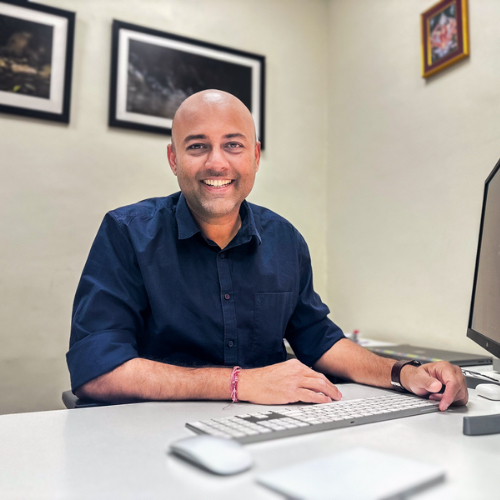
Founder & CEO
Some milestones make you count the years. This one made me count the conversations.
As eRS Cloud completes eight years, I've found myself reflecting less on product releases and more on the people who shaped them. The clients who challenged our assumptions. The team that refused to settle for "good enough." The conversations that turned a scheduling product into a platform trusted by organizations across 29 countries.
Because ultimately, resource scheduling has never really been about schedules. It has always been about people.
The journey, of course, began much earlier.
My co-founder, Vinod Chandnani, and I started eResource Scheduler with a simple belief. Organizations shouldn't have to rely on spreadsheets, disconnected systems and guesswork to understand where their people are, where they need to be and what they can take on next.
That belief became the foundation of everything we've built since.
Our objective was simple and clear, to build something better for organizations with 100 to 5,000 employees, across consulting, engineering, architecture, accounting and other professional services industries.
What we learned quickly was that every organization works differently. But beneath those differences was the same fundamental challenge: projects don't succeed on plans alone. They succeed when the right people, with the right skills and availability, can do the right work at the right time.
That changed how we thought about the product. The goal wasn't to make teams adapt to our software. It was to build software that could adapt to the way their people actually work.
By 2018, the way teams worked was changing. Organizations were becoming more connected and distributed, and needed to plan work with greater flexibility and visibility.
That's why we introduced eRS Cloud.
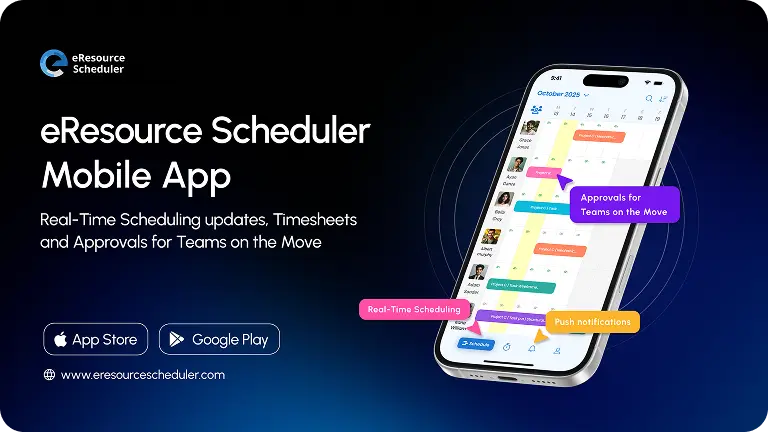
This year, we took that evolution further with the launch of the eRS Mobile App, making it easier for people to stay connected to their schedules, check availability and make decisions wherever work takes them.
Looking back, the story of eRS Cloud isn't really about moving to the cloud. It's about evolving alongside the people who use it.
Some of the capabilities clients rely on today started as support conversations. Others began as feature requests or questions that challenged how we thought about resource management.
Those conversations shaped our roadmap far more than trends ever could. They reminded us that behind every scheduling challenge is a person trying to make a better decision.
To every client who has trusted us over the years, thank you.
Many of you have grown alongside us, sharing ideas, challenging our thinking and helping us improve with every release. Thank you for trusting us with something that has a direct impact on how your people work, and for telling us when we could do better.
I'd also like to thank everyone who has been part of the eResource Scheduler journey.
Great software takes curiosity, collaboration and care. Whether you've contributed through product, engineering, QA, implementation, client success, support, sales, marketing or operations, you've helped build an experience that ultimately helps other people do their jobs better.
Thank you for believing in the product and the people behind it.
As I look ahead, I feel the same excitement I felt when we introduced eRS Cloud eight years ago.
Organizations have more data than ever, yet making confident decisions about people remains harder than it should be. Managers still spend valuable time moving between schedules, timesheets, financials and business systems just to understand what is happening.
We believe technology should simplify that work so people can focus on the decisions that matter.
That's the thinking behind the next chapter of eResource Scheduler.
We're developing eRS Cortex, an AI-powered feature designed to help organizations make smarter scheduling decisions. Cortex will bring context across scheduling, timesheet and financial data to surface patterns, highlight potential risks and help answer questions that could otherwise take hours to investigate.
The goal isn't to replace human judgment. It's to give schedulers, resource managers and business leaders better information so they can spend less time finding answers and more time acting on them.
We're also preparing a completely reimagined eResource Scheduler experience. More than a visual redesign, it's a thoughtful reworking of the product shaped by years of user feedback. The objective is simple: less time managing the tool and more time managing the people and work behind the business.
And we're expanding how eResource Scheduler connects with the technology teams already use, including support for Model Context Protocol (MCP). Resource management shouldn't exist in isolation. The more context people have, the better decisions they can make.
These are exciting developments, but they don't change what has guided us since 2011. They're a continuation of the same promise we made back in 2011.
Help organizations make better decisions about their most valuable resource. Their people.
Technology will continue to change. The way we work will continue to evolve. Our commitment won't. We'll continue listening before we build, learning from every conversation, and we'll continue earning your trust one release at a time.
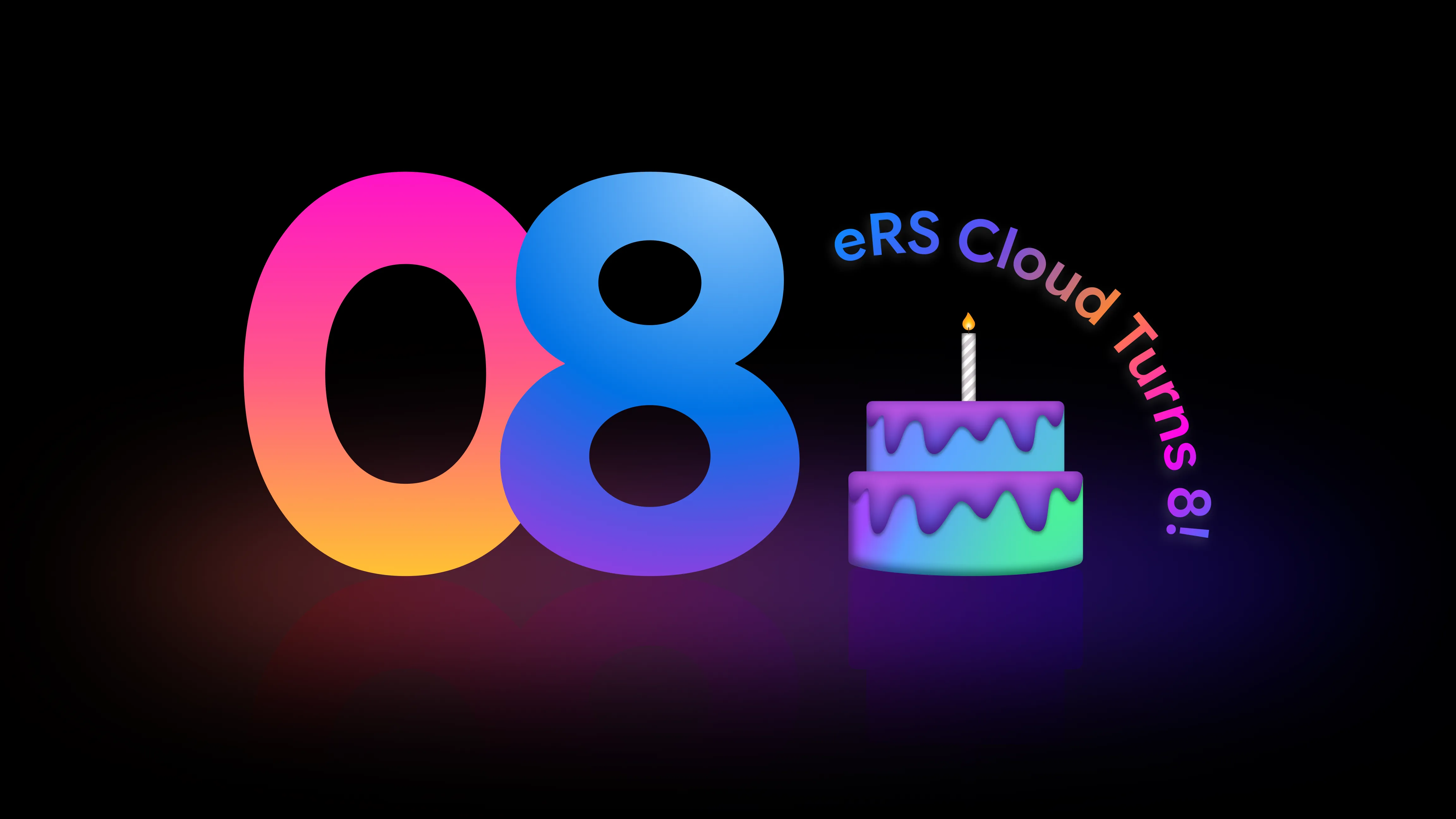
Thank you for being part of these first eight years of eRS Cloud.
The next chapter of eResource Scheduler is already taking shape, and I can't wait to share it with you.
 ALL FEATURES INCLUDED