Learn more
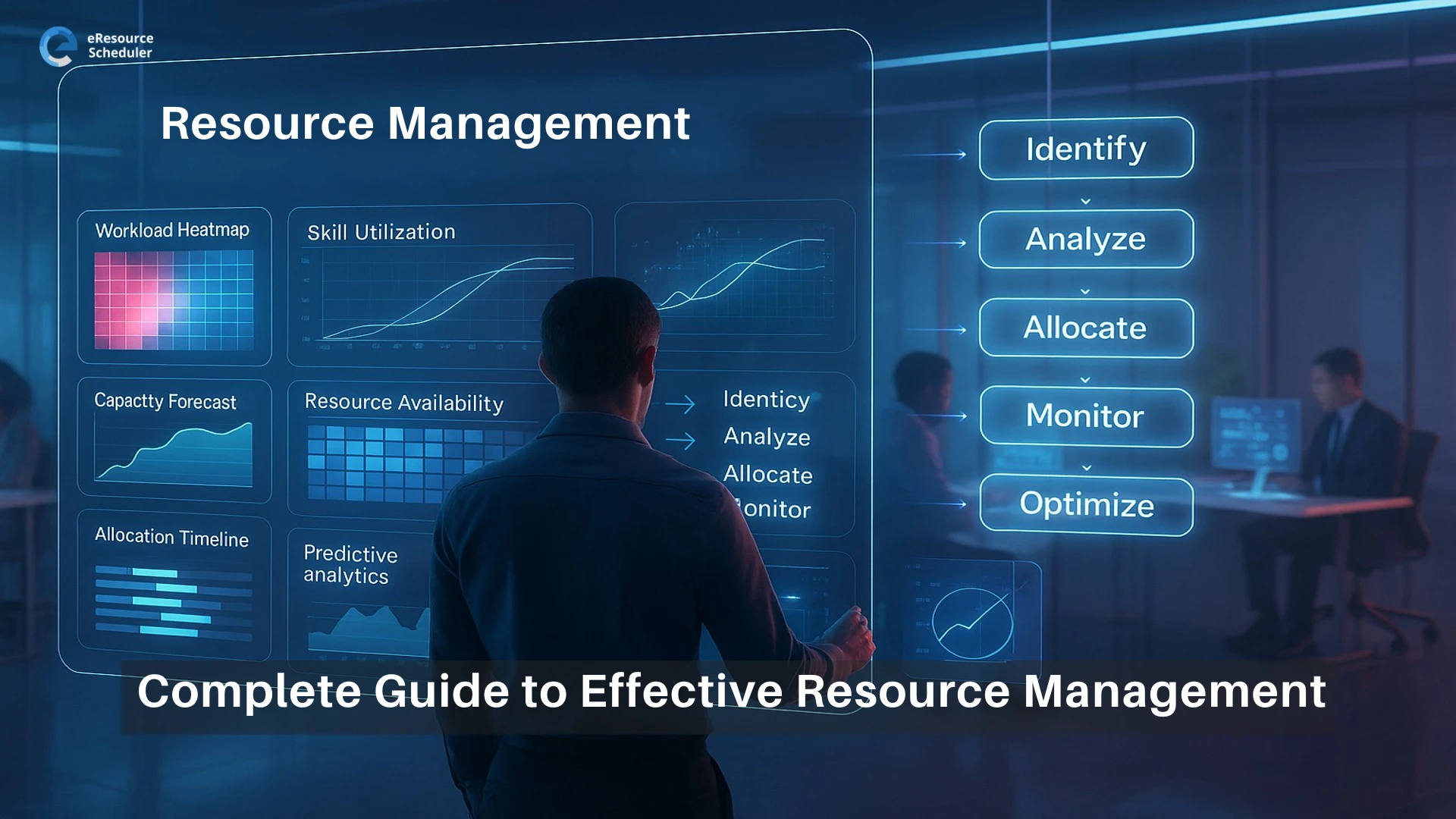
Managing resources nowadays is not just a project manager’s job anymore. It is how teams decide who works on what, when they will work on it, and whether that effort is even worth the cost. Smart companies no longer rely on “assign and hope for the best” methods. They plan workload, track skills, and balance capacity with the help of real tools like resource planning software that keeps everyone aligned without creating more work for the managers.
Before we jump into the details, here is the real truth. Effective resource management has nothing to do with last minute firefighting. It is about working with the people and tools you already have but doing it with clarity. And yes, a little common sense goes a long way.
Resource management is simply the practice of assigning the right people to the right work at the right time. Not complicated. No textbook jargon. Think of it as matching skills with priorities while keeping workloads healthy and budgets sensible. When this balance goes off, teams slip into overtime, deadlines stretch out, and projects get delivered by exhausted people saying “we’ll fix it later.”
Modern teams care about resource management because everything in 2026 relies on availability and expertise. Teams are more hybrid, more specialized, and more expensive to replace. When organizations know who is free, who is overloaded, and who actually has the skills required, work moves faster and money stops leaking from unexpected hires or rushed fixes. It is not a fancy concept. It is just smart business control.
Teams that manage resources well are not lucky. They follow a method, track data, and adjust workload before it becomes a problem. They neither dump everything on the “star performer” nor assign people based on who replied first on Slack. They plan smarter.
Capacity is how much someone can do. Availability is how much they can do right now. Many managers assume both are the same and end up stretching people beyond their actual bandwidth. A full time employee might technically have 40 hours a week but eight meetings, urgent support tasks, or sick leave can shrink real availability drastically. Teams that track both stay realistic and avoid burnout.
A person’s job title does not equal their real skill set. A “developer” may excel at integrations but struggle with UI work. A “designer” might be great at visuals but weak in research. Efficient teams maintain a living, updated skill matrix that reflects what people can actually deliver, not what their LinkedIn headline claims.
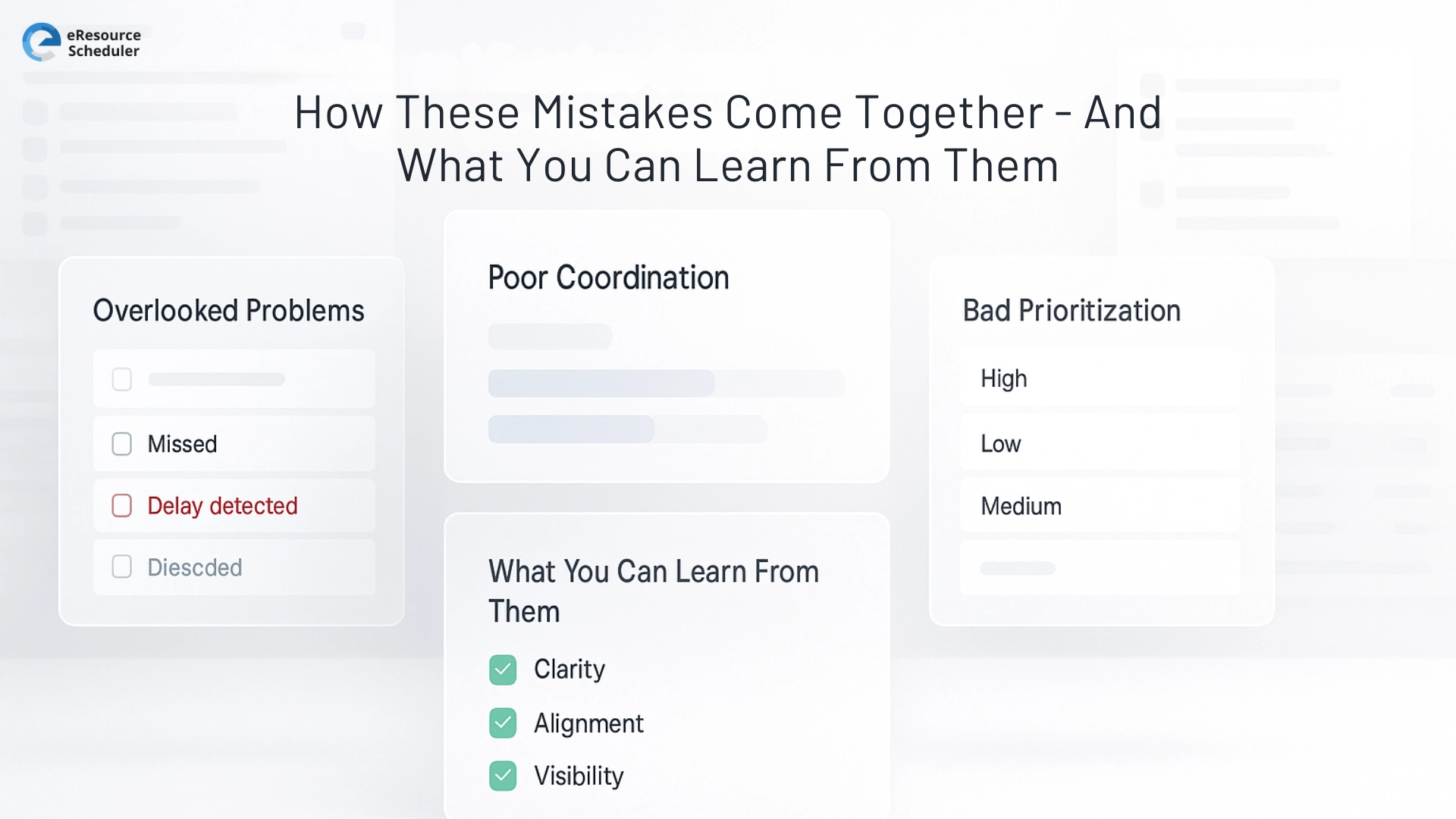
Resource management cuts much deeper than assigning tasks. It changes business outcomes, especially in hybrid teams where priorities shift quickly.
Projects stay within budget when companies know who to assign and when to assign them. The right people finish work faster with fewer revisions and less outsourcing. In the U.S., companies overspend billions yearly on last minute hiring simply because existing talent was not planned correctly.
Resource visibility makes deadlines realistic. Instead of promising everything to everyone, teams can commit based on who is free and what they can handle. Predictability is not magic, it is visibility.
The biggest scheduling issue is not lack of talent but lack of awareness. Once managers can see real workload and skills, overbooking becomes unnecessary, not unavoidable. Teams that want real visibility rely on resource management software to centralize workload, capacity, financial impact, and real skill data without adding one more spreadsheet to maintain.
A solid resource management system is not built on daily status calls or gut feeling. It needs structure, visibility, and accountability. A few simple practices can transform how teams assign work and manage deadlines.
1. Assess skill sets and real availability
2. Map tasks to skill needs, not titles
3. Assign work based on current workload
4. Track effort and delivery progress
5. Compare planned work with actual execution
6. Adjust timelines or reassign resources as needed
7. Review utilization regularly to avoid burnout
This is practical and repeatable. It takes less time than reshuffling work every Friday afternoon.
Spreadsheets were fine when teams were small and projects moved slowly. But teams juggle multiple skills, cross functional work, and shorter deadlines. Software makes resource planning realistic by providing a single view of who is working on what, what work needs prioritization, and where utilization is slipping. It cuts out the guesswork, prevents last minute hiring, and keeps the team workload balanced instead of overloaded.
Real tools do not replace managers. They make managers less reactive and more strategic. Visibility drives better decisions. Better decisions lead to better project outcomes. It is a chain reaction that starts with clarity.
In 2026, the smartest teams are not adding more people. They are using their current talent more wisely by planning with real availability and skill data. That is where eResource Scheduler as a resource management software helps managers see who can actually take on work and which deadlines are realistic without stretching anyone too thin.
Try it with your live projects and you will immediately notice who is overloaded and where utilization gaps are hiding. No commitments and no setup hassle. Start a 14 days free trial, see your real workload on one timeline, and you will not want to go back to spreadsheet guessing.
1. What is resource management in simple words?
It means assigning the right people to the right work at the right time. It tracks skills, workload, and availability so projects finish without overloading anyone or wasting money on unnecessary hiring.
2. Why teams still struggle with resource planning?
Most teams plan work based on assumptions or job titles instead of real availability and skill match. Without proper visibility into workload and time capacity, people get booked on work they cannot complete on time.
3. Who does resource management in a company?
It is usually shared between project managers, team leads, and operations heads. In modern organizations, resource management is a joint responsibility where everyone updates workload and skills to keep plans accurate.
4. How do I know if we need a tool for resource management?
If your team constantly reschedules tasks, uses too many spreadsheets, or faces uneven workload, a tool becomes useful. It centralizes availability, capacity, and scheduling so planning decisions are based on data, not estimation.
5. Is resource planning and resource allocation same?
No. Resource planning looks at future needs and capacity for upcoming work, while resource allocation assigns specific people to tasks happening now. Planning predicts. Allocation executes.

Plan Smarter. Schedule Faster. For Free.
Join thousands already using eResource Scheduler to align teams, time, and tasks seamlessly.
 ALL FEATURES INCLUDED