Customer experience has quietly become the heartbeat of business success. In 2026, it is no longer just a metric but a reflection of how intelligently organizations operate. Every response time, project update, and delivery promise shapes how clients perceive value and reliability.
What many leaders overlook is that this experience begins long before a customer interacts with the brand. It starts internally in how teams are planned, assigned, and supported. When the right people focus on the right tasks at the right time, efficiency becomes empathy. Projects feel effortless to clients because the company behind them runs with precision and intent.
Across the United States, businesses are investing in stronger resource strategies to meet growing client expectations. A recent Gartner analysis found that companies optimizing their allocation models improved customer satisfaction scores by up to 18 percent. The takeaway is clear. Smooth internal operations create visible external impact, and customers can feel that difference.
In a world defined by hybrid work and instant feedback, effective allocation is no longer optional. It is the quiet engine that builds trust, consistency, and service excellence. And it all begins with a focused resource management tool that connects people, priorities, and performance.
Customer satisfaction often looks like a front-line achievement, but it is built backstage. The way an organization allocates its people, time, and tools shapes how clients experience its service quality. When resourcing is strategic, teams operate smoothly, deadlines feel predictable, and customers notice the consistency.
In the past, resource allocation was seen as a purely operational task. Today, it has become a business differentiator. A 2025 Deloitte study on operational agility revealed that companies with structured allocation frameworks deliver projects 30 percent faster on average. That speed translates directly into customer confidence because every touchpoint feels intentional rather than reactive.
Customers rarely see the process, but they feel its results in every interaction. A team that has clarity on who is doing what works faster and with fewer errors. Communication improves because responsibilities are defined, and clients sense that order from the outside.
When internal coordination strengthens, external communication becomes seamless. Imagine a client requesting a mid-project change. If the right designer, developer, and project manager are available and ready, the client receives updates within hours instead of days. That responsiveness is not luck. It is the result of smart internal planning that makes efficiency visible to the customer.
Every well-planned allocation decision creates a ripple across the customer journey. When employees are neither overloaded nor idle, morale improves. Teams bring more creativity and attention to detail, which directly impacts the final output. A satisfied, well-supported workforce delivers better experiences because they are not fighting burnout or confusion.
Smart allocation also reduces dependency on crisis management. Instead of scrambling to fill gaps, leaders anticipate needs before they escalate. For customers, that foresight translates into reliability, projects that run on time, updates that arrive when promised, and services that meet expectations without constant follow-ups.
In essence, resource allocation is the invisible thread that connects internal order with external trust. It may happen behind the scenes, but it determines how customers feel at every stage of their relationship with the brand.
Customer satisfaction is often described as an emotional outcome, but it has a strong operational foundation. Behind every positive experience is a process that runs smoothly, projects that stay on schedule, communication that stays clear, and outcomes that match expectations. When operations are efficient, customers feel that confidence at every touchpoint.
In the current business landscape, operational efficiency is no longer just about cost control. It has evolved into a customer experience strategy. According to PwC’s 2025 Global Operations Report, 73 percent of customers say timely delivery and transparency are their top loyalty factors. Efficient teams make those promises easier to keep. They minimize waiting time, reduce miscommunication, and handle last-minute changes without visible disruption.
Delays and unclear communication are two of the fastest ways to lose client trust. When workflows are structured and responsibilities are clearly defined, updates reach clients faster and with fewer errors. A project that runs efficiently behind the scenes feels reliable on the surface, strengthening long-term client relationships.
Efficient resource allocation also allows managers to respond to changes without chaos. If a project suddenly shifts priorities, a clear view of capacity helps teams redistribute work instantly. For the client, that agility feels like professionalism, a sense that the company is always in control, even when circumstances shift.
Clients value consistency more than perfection. They want to know what to expect and when to expect it. Predictable delivery is one of the strongest signals of reliability, and it depends on structured operations. When internal systems support accurate forecasting and balanced workloads, teams deliver on time with less stress.
Predictability is not about rigidity; it is about readiness. Organizations that plan ahead can adapt faster and communicate better. That confidence translates directly to customer satisfaction because clients experience fewer surprises and more trust.
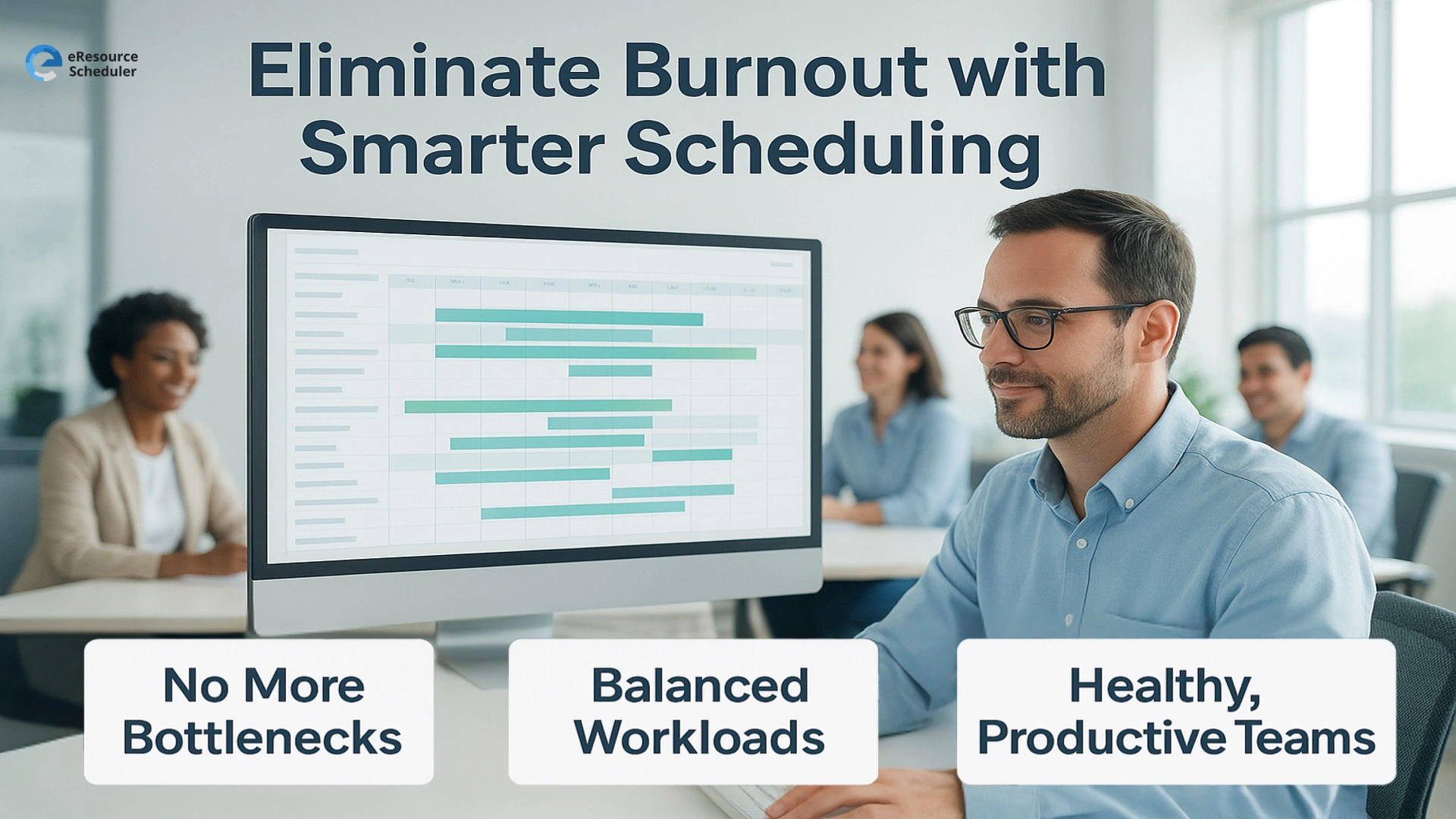
Behind every delayed project or missed deadline lies a simple truth, teams can only deliver their best when workloads are balanced. Overcommitment drains focus, reduces creativity, and ultimately affects how clients experience your service. Smarter scheduling prevents those breakdowns before they start, ensuring that both employees and customers stay satisfied.
Modern scheduling tools help leaders visualize workloads across teams and timeframes. This visibility makes it easier to identify patterns of overuse or underuse. By spotting potential bottlenecks early, managers can reassign tasks and prevent burnout. According to a 2025 Gallup study, organizations that actively monitor workload balance report 19 percent higher client satisfaction rates.
A well-managed schedule does more than protect productivity; it builds consistency. When teams have realistic timelines, they deliver with focus and accuracy. For clients, that translates into smoother communication and fewer surprises. Work feels dependable because behind every deadline is a team that is set up to succeed.
Motivation thrives in balanced environments. When employees know their workloads are fair, they engage more deeply and bring energy to their projects. That enthusiasm is visible in how they communicate, collaborate, and innovate. Customers pick up on that difference. They experience faster responses, more thoughtful solutions, and a genuine sense of care.
Preventing burnout is not only about employee well-being; it is about protecting the customer experience. A motivated team is the most powerful driver of client trust, and smart scheduling keeps that momentum alive.
In modern project environments, timing and transparency define credibility. Clients expect updates that are accurate, not approximate, and timelines that reflect real progress. Achieving this level of reliability requires more than manual coordination. It depends on real-time visibility into resources, workloads, and project movement.
When managers can see exactly who is available, which tasks are pending, and where delays might occur, decision-making becomes proactive. Instead of reacting to missed deadlines, teams anticipate them and make quick adjustments. This clarity keeps both internal teams and clients aligned, reducing friction at every stage of delivery.
Real-time insights allow leaders to respond instantly to changing priorities or client requests. A quick reallocation or schedule shift can prevent costly overruns and maintain client confidence. It is the difference between managing chaos and demonstrating control.
Transparency builds trust. When clients receive timely updates supported by accurate data, they feel confident in the partnership. This is where organizations gain measurable value from integrating real-time reporting and analytics into their operations. Consistent visibility not only improves accountability but also strengthens financial forecasting through better resource allocation software and utilization tracking.
When performance metrics are transparent, accountability follows naturally. Teams collaborate more effectively because clarity removes guesswork. For clients, this visibility reinforces reliability and trust, proving that the organization delivers exactly what it promises, every time.
The most successful organizations no longer treat resource planning as an administrative task. They view it as a strategic advantage. Every project, client interaction, and delivery decision becomes stronger when backed by data-driven allocation.
Strategic allocation transforms how teams operate. Instead of reacting to shortages or schedule conflicts, leaders plan with foresight. They know where capacity stands, which projects need extra support, and how upcoming work will affect overall performance. This level of preparation keeps projects profitable and clients confident.
The future of work will belong to companies that combine agility with clarity. Those who invest in smarter planning frameworks today will find themselves better equipped to adapt, scale, and outperform competitors tomorrow. In a marketplace where client expectations continue to rise, strategic allocation is no longer optional, it is the foundation of long-term excellence.
Customer experience is not built in client meetings or feedback forms. It begins within teams, in how their time, energy, and expertise are managed every day. When workloads are balanced, communication is easy, and priorities make sense, teams feel supported. That internal stability shows up externally as consistency and trust.
Clients notice when a company operates with intention. Projects move smoothly, updates land on time, and every interaction feels effortless. Strategic resource allocation is what makes that possible. It turns good teams into great ones and satisfied customers into long-term advocates.
In the end, happy teams create experiences no marketing strategy can replicate. They deliver not just results, but reliability. And that is what truly defines exceptional customer experience. If you want to build that kind of consistency within your team, schedule a personalized product demo and see how it works in real projects.
1. How can you elevate customer experience with better resource allocation?
You can elevate customer experience by assigning the right people to the right tasks at the right time. When work moves smoothly behind the scenes, clients receive updates faster, projects stay on track, and the entire experience feels more reliable.
2. What are the key strategies for allocating resources effectively?
Key strategies include understanding team capacity, matching skills to tasks, balancing workloads, and planning ahead for high demand periods. These steps prevent bottlenecks and help teams deliver projects without delays, which clients appreciate.
3. How does workload balance impact customer experience?
Balanced workloads reduce delays, mistakes, and miscommunication. Teams work more confidently and respond faster, which makes projects feel smoother and more dependable for customers.
4. Why is scheduling important for delivering a good customer experience?
Scheduling helps teams see what needs to be done and when. It keeps projects organized, reduces last-minute chaos, and supports timely delivery. Customers feel this as consistency and professionalism.
5. How does operational efficiency improve customer satisfaction?
Operational efficiency improves customer satisfaction by reducing wait times, preventing errors, and speeding up responses. When internal processes run smoothly, customers get faster updates and more predictable results.



Plan Smarter. Schedule Faster. For Free.
Join thousands already using eResource Scheduler to align teams, time, and tasks seamlessly.
 ALL FEATURES INCLUDED