Learn more
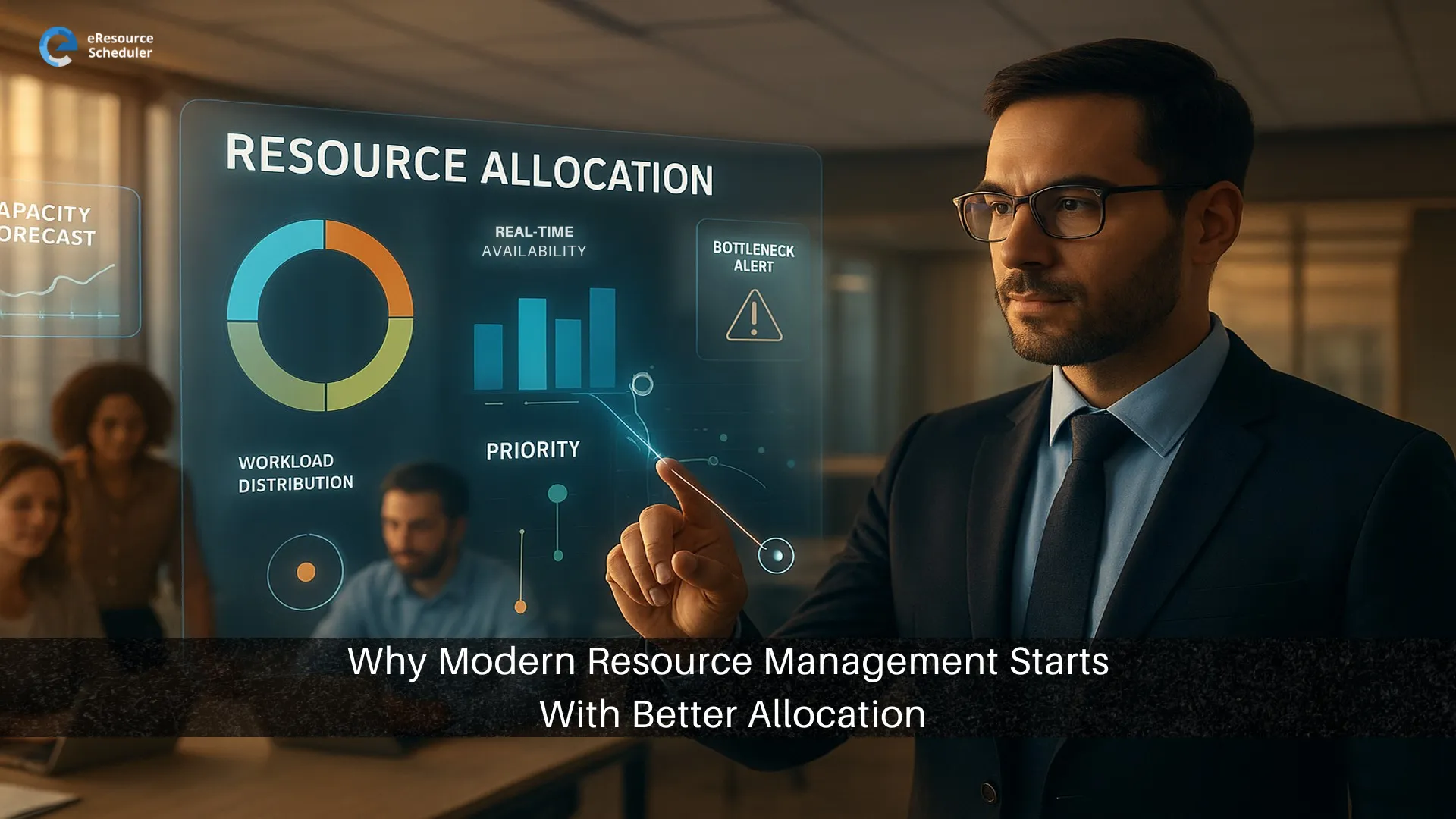
The success of any project depends on effective resource management. Resource management is anything but straightforward because it involves determining capacity, ranking the most crucial tasks, and creating precise estimations. And the harder it is to complete a project, the more cogs there are, like more people, tools, resources, money, and other factors involved.
But a firm may overcome these obstacles and employ resource management to complete more projects effectively with the right allocation software and strategy. This blog will discuss the importance of efficient resource allocation and how resource allocation software can streamline your company's resource management.
Indeed, if resource management had always been easy, every business would benefit from it. A few of the resource management issues your business should consider:
It is rarely easy to match your organization's staffing numbers with project requirements. To ensure that organizational capacity is adequate to satisfy project objectives, use historical data and feedback from pertinent stakeholders. This gives you enough time to plan for outsourcing or further hiring.
Choosing which projects receive priority is essential to resource management because not all projects are created equally, and resources are always limited.
The proper team members must be available to work on the right tasks at the right times for the project to be successful, yet this is frequently not the case. While ensuring that employees' schedules align with project requirements , there are several variables to monitor, such as juggling many tasks and already scheduled PTO.
The key to effective resource management is precisely estimating workforce and other resource requirements; otherwise, deadlines will be missed, there will be last-minute delays, and expenses will go way up.
The practice of strategically choosing and allocating available resources to a job or project supporting business goals is known as resource allocation. Resource allocation refers to assigning employees and their expertise to projects, often known as engagements. Matching the right person with the right skills, education, and talents with the right customer and assignment at the right time is the essence of effective resource allocation for any business
Although resource management and resource allocation are related ideas, they apply to various facets of resource management within an organization.
The process of allocating resources to particular jobs or projects is called resource allocation. This entails assessing the resources required for a specific activity, determining whether such resources are available, and allocating them appropriately. Short-term goals and objectives are often the focus of resource allocation, which involves choosing the best resources to accomplish those goals and objectives.
On the other hand, resource management is a more comprehensive idea that entails managing all of an organization's resources across time. This covers real resources like machinery, supplies, and buildings, and intangible assets like people, money, and other resources.
To fulfill the organization's goals and objectives, resource management entails creating methods to maximize the utilization of these resources. This entails determining potential resource limitations, developing strategies to get around them, and continuously tracking resource use and adjusting as necessary.
Resource management is a larger concept that encompasses managing an organization's resources over the long term to achieve its goals and objectives. Resource allocation is a more precise term for allocating resources to specific activities or projects.
Effective resource allocation software ensures that the workload is distributed equally among all resources to prevent employee burnout. By ensuring that resources have the knowledge, skills, and training required to execute the assigned work, efficient resource allocation software empowers teams.
Resource allocation software ensures that employee performance is maximized by matching the right resources to the right work at the right time. Automate your resource management with eResource Scheduler scheduling and allocation software.
Software for resource allocation streamlines and expedites resource management in several ways:
Resource allocation software automates allocating resources to particular tasks or projects. It analyses resource availability, identifies potential conflicts, and suggests the best solutions for allocation using algorithms. Managers will save time and experience fewer mistakes when allocating resources manually.
Resource allocation software provides real-time visibility into resource availability and utilization. To allocate resources wisely, managers can determine which resources are available and which are being used. This could improve resource efficiency and cut waste.
By offering a common platform for resource allocation, resource allocation software improves team members' collaboration. Team members can request resources as needed by viewing the resources that are already accessible. Team members can get automatic notifications when their requests are approved or denied, and managers can rapidly approve or decline requests. This enhances communication and lessens errors and delays.
Resource allocation gives managers data-driven insights into resource usage trends to help them plan more effectively for future resource needs. Potential resource shortages or surpluses can be identified by managers, who can then change how resources are allocated. This enables the guarantee that resources are accessible when needed, which can enhance project outcomes.
Resource allocation software simplifies and speeds up resource management by automating resource allocation, providing real-time visibility into resource utilization , enhancing collaboration among team members, and improving planning for future resource needs.
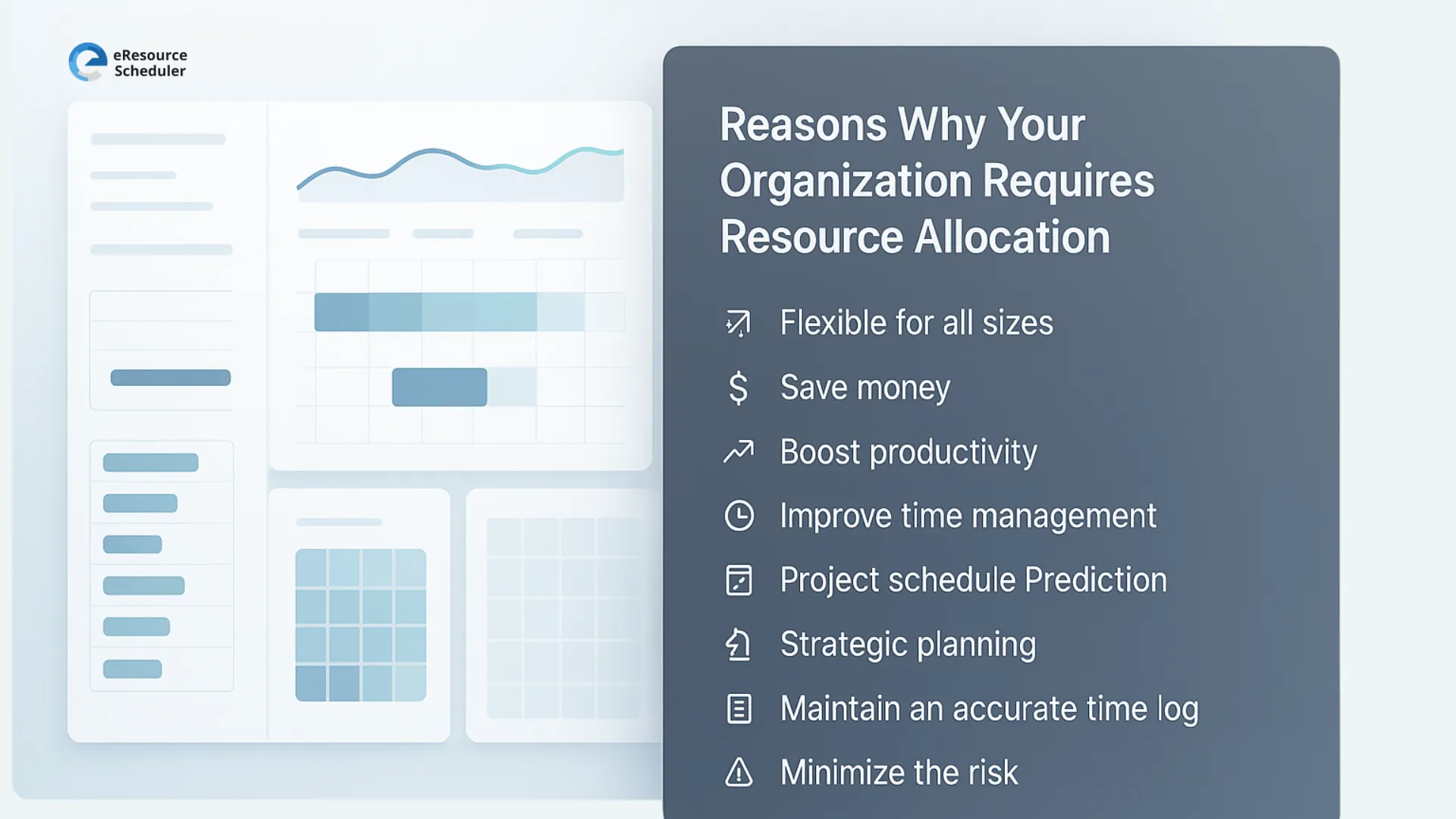
Several projects may be ongoing in large organizations. Resource planning and management are easier for project managers with appropriate resource allocation. Hence, if managers rightly arrange the resources, they can easily manage them.
Effective resource allocation leads to no waste of money. It helps managers to evaluate the performance of team members on a project. Hence, assigning tasks to the resource according to their skills can get easier.
Employee productivity will undoubtedly increase if they complete a project or task ahead of schedule without sacrificing quality. Knowing who is currently overloaded and who is free thanks to resource allocation. As a result, managers can delegate duties to the available resources.
Resources occasionally need to catch up to the actual time. But this shortcoming has a significant impact. The actual projected hours to perform the activities can be determined by wise resource allocation.
By adequately allocating resources, managers may more easily determine which team members or individuals are involved in a given work and can distribute assignments according to their availability.
Resource allocation is crucial when a company develops its vision and goals. The efficient use of resources can aid in completing projects and meeting their requirements. In the end, removing current hazards will allow for the effective implementation of the vision and strategic goals.
Accurately estimating how long it takes each team member to accomplish a task is essential to managing a project effectively. Sometimes, team members work past their scheduled hours. By allocating resources, managers can accurately estimate how long a team will take to accomplish a project.
The project can achieve fantastic results by identifying potential risks in advance. By implementing preventive measures, it becomes simpler to get rid of and reduce hazards, as well as to finish projects on schedule.
Optimizing resource allocation can take a lot of work, considering the number of moving pieces needed across numerous large-scale client engagements. To navigate these complexities, a company may benefit from using an intelligent resource allocation software solution.
Explore different resourcing options quickly and with more transparency. By evaluating the resources over the vast pool of employees' data, managers can maximize the allocation of resources. Looking at talents, knowledge, and availability at a national and international level allows going beyond local resource allocation by having all the resources in one scheduling software. Its visibility encourages a quicker and more knowledgeable decision-making process.
By enabling resource managers to consider talents and individual preferences when allocating work in the system, resource allocation software can assist the company in supporting career development and employee retention efforts. Matching preferences and skills to the job required helps recruits and individuals, increases engagement quality, and raises awareness of skill shortages.
It has been observed that having a more diverse and inclusive workplace has a good impact on client interactions, firm culture, employee engagement, and productivity in general.
An automated resource allocation system can lower the possibility of human bias or favoritism by giving preference to capacity and the best match of skills and experience for an engagement. Staff may see that work is assigned based on predetermined criteria rather than connections, preferences, or primacy bias when the proper resource allocation technology and governance are in place.
Resource allocation shows the project's progress by allocating the right resources to the right project. Allocating resources is not that complicated. But, despite its significance, project managers frequently ignore it. Whether you're a team of two or 200, your ability to identify and explore each member's unique skill set and manage their availability will determine how effectively you allocate your resources.
Searching for a solution to assist your team with resource allocation? Join the creative teams using eResource Scheduler to manage their work allocation easily. Start your 14-day free trial.
1. What is resource allocation in project management?
It means assigning the right people and skills to the tasks that need them. It helps projects move smoothly without delays or overload
2. Why is resource allocation important?
It keeps workloads balanced, avoids burnout, and makes sure projects have what they need to finish on time.
3. How does resource allocation software help?
It shows who is available, suggests the best fit for each task, and removes manual guesswork. This makes planning faster and more accurate.
4. What’s the difference between resource allocation and resource management?
Allocation is about assigning people to tasks. Resource management covers the bigger picture, like capacity, forecasting, and long-term planning.
5. How can software improve project planning?
Software gives real-time visibility into availability and workloads. This helps managers plan, prevent conflicts, and predict schedules better.



RESOURCE MANAGEMENT AND SCHEDULING
Here's everything you need to know in order to allocate your resources to projects and tasks.
Plan Smarter. Schedule Faster. For Free.
Join thousands already using eResource Scheduler to align teams, time, and tasks seamlessly.
 ALL FEATURES INCLUDED