Learn more
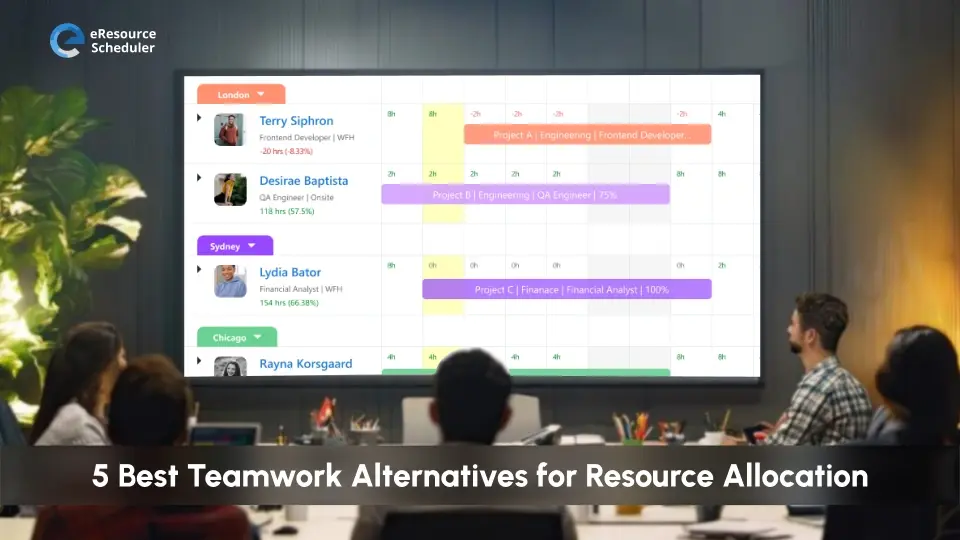
Teamwork works fine when projects are simple and teams are small. But once delivery scales, capacity tightens, and revenue starts depending on who is booked where, cracks appear fast. That is why more leaders are actively searching for Teamwork alternatives that handle real-world planning, not just task visibility.
The strongest options today lean into forecasting, operational clarity, and modern resource allocation software that supports decision-making, not just documentation. Below is a strategic breakdown of the five best platforms teams turn to when Teamwork starts limiting growth.
Teamwork was built to keep work moving. Modern teams need tools that help leaders decide what work should happen next.
As organizations scale, delivery stops being a coordination problem and becomes a planning problem. Headcount grows. Pipelines fluctuate. Commitments overlap. At this stage, task visibility alone is no longer enough.
That is where the gaps start to show:
For delivery-led companies, these blind spots quietly erode margins, inflate hiring costs, and push teams into constant firefighting. The right alternative to Teamwork introduces foresight, not friction. It turns resource data into early signals that leaders can act on before problems surface.
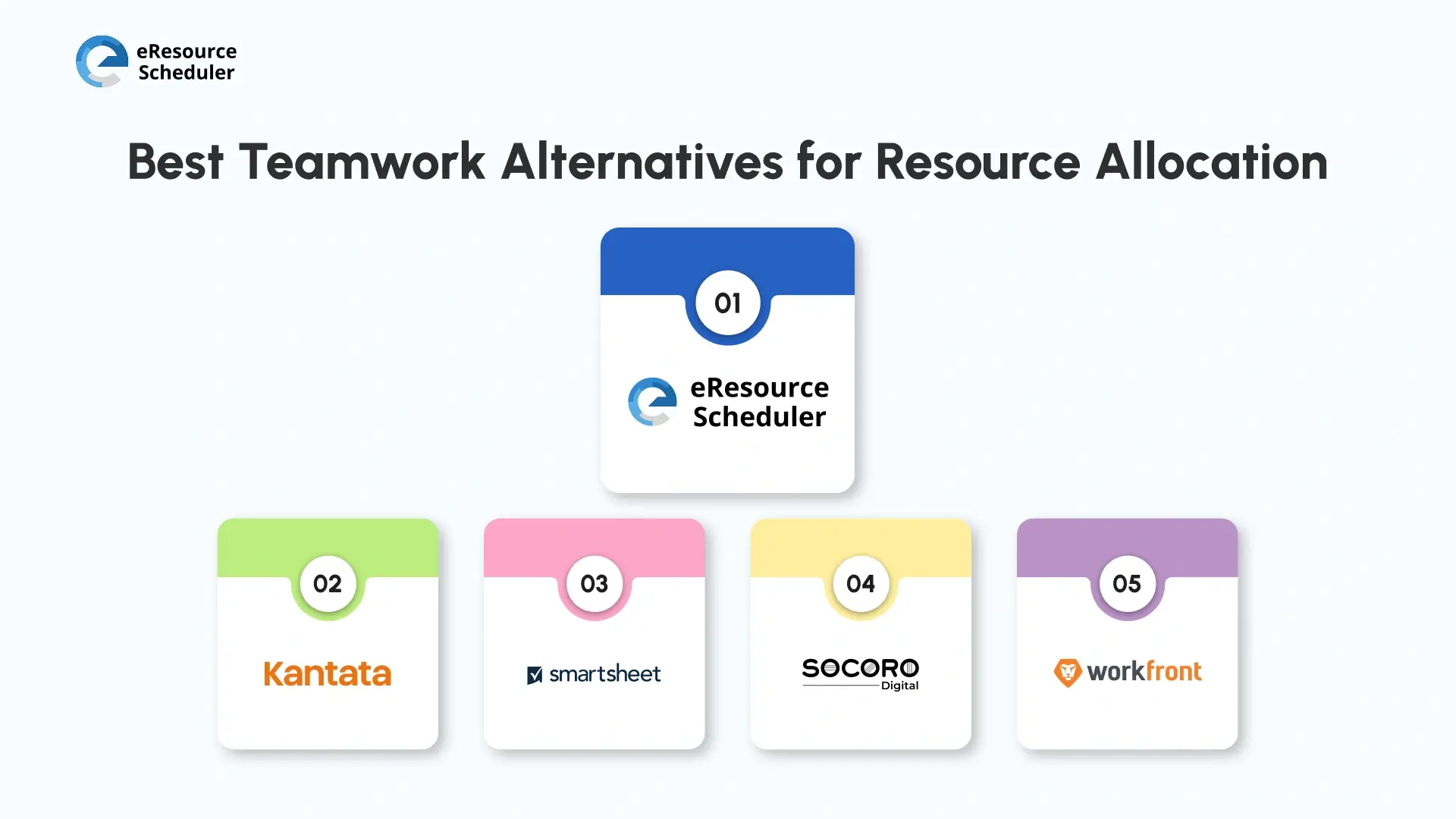
eResource Scheduler is not a general project tool. It is designed specifically to help leaders answer one hard question consistently: do we have the right people, at the right time, for the right work?
This is where eResource Scheduler separates itself from every other option on this list and is a leading resource management and scheduling software that offers scheduling, capacity planning, financial insights into profit, cost, and margin, along with analytical management reports.
eResource Scheduler quietly integrates into existing ecosystems while elevating planning maturity. Teams already tracking execution elsewhere use it to finally see the full operational picture.
1. Professional services and consulting
2. IT services and engineering firms
When paired with structured time tracking, eResource Scheduler becomes a strategic control layer rather than another operational tool.
This tool positions itself for organizations that need deep integration between financials, delivery, and resourcing.
1. Large professional services firms
2. Enterprise consulting organizations
Kantata is powerful, though the implementation effort is significant.
A flexible work management platform that scales resource planning across complex projects.
1. Professional services and consulting
2. IT services and engineering firms
This one combines work management, resourcing, utilization reports, and financial visibility in a single platform.
1. Creative and marketing agencies
2. Professional services teams
With structured execution at enterprise scale, this tool focuses on work orchestration and governance, often adopted by large organizations.
1. Large enterprises
2. Marketing operations teams
| Tool | Planning Depth | Reporting Strength | Best Fit |
| eResource Scheduler | Very High | Strategic | Scaling delivery teams |
| Kantata | Very High | Executive | Enterprise services |
| Smartsheet | High | Financial | Project-led firms |
| Scoro | Medium–High | Management | Growing agencies |
| Workfront | Medium | Governance | Large enterprises |
When planning still depends on instinct or last-minute adjustments, the tool is no longer supporting growth. It is simply documenting activity. Mature teams need platforms that help them anticipate pressure before it hits delivery.
Strong alternatives make critical questions easy to answer:
Without this clarity, decisions stay reactive. Hiring happens late. Deadlines slip. Margins tighten without warning. Not every professional services organization needs enterprise complexity layered on top of daily operations. Some teams need focus, not friction.
The right tool aligns with how planning actually happens inside the business. This is where eResource Scheduler stands apart. It concentrates on turning real resource data into confident decisions without overwhelming teams with unnecessary workflow or administrative weight.
That focus is what allows leaders to plan ahead, not just keep up.
Teamwork supports collaboration, but modern organizations need foresight, not just visibility. The best Teamwork alternatives help leaders plan capacity, protect margins, and scale delivery without chaos.
For teams where resource decisions directly impact revenue, delivery quality, and growth, planning maturity becomes a competitive advantage.
Start a 14-day free trial of eResource Scheduler and experience resource planning that finally matches how real teams operate.
1. What are the best Teamwork alternatives for resource allocation?
The best Teamwork alternatives focus on capacity planning, utilization visibility, and future demand forecasting rather than task tracking alone. Tools like eResource Scheduler are built specifically for this shift.
2. Why do growing teams outgrow Teamwork?
As teams scale, planning moves from coordination to optimization. Teamwork lacks forward-looking capacity insights, which makes utilization and hiring decisions reactive.
3. Are Teamwork alternatives suitable for professional services teams?
Yes. Professional services teams rely heavily on utilization accuracy and forecasting to protect margins. Purpose-built resource planning tools support this far better than project-centric platforms.
4. How do Teamwork alternatives improve utilization planning?
They surface utilization risk early by showing who is overbooked, underused, or misaligned with future demand. This enables proactive rebalancing before delivery suffers.
5. When is the right time to switch from Teamwork to an alternative?
When leadership cannot confidently answer capacity or demand questions three to six months ahead, the existing tool limits strategic planning.

Plan Smarter. Schedule Faster. For Free.
Join thousands already using eResource Scheduler to align teams, time, and tasks seamlessly.
 ALL FEATURES INCLUDED